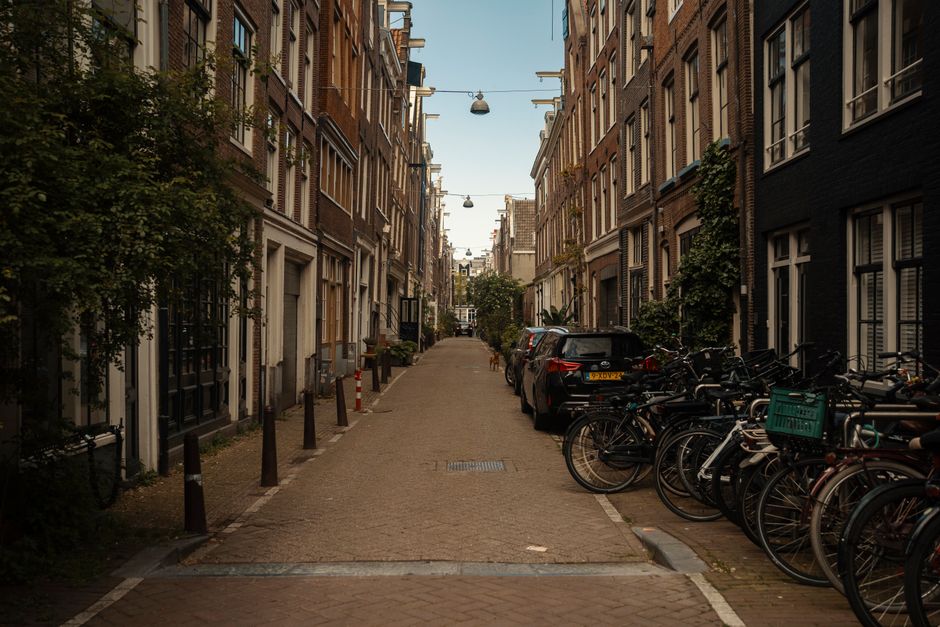
Belsize Village Movers Tips for Narrow Streets: A Practical Guide for a Smoother Move
Moving in Belsize Village can feel simple on paper and slightly chaotic in real life. The streets are characterful, the houses are charming, and the access is often, well, tight. If you are looking for Belsize Village movers tips for narrow streets, you are probably trying to avoid the usual headaches: blocked driveways, awkward parking, scratched furniture, and that sinking feeling when a van simply cannot get where it needs to go. The good news? With the right planning, a move through narrow village roads can still be calm, efficient, and surprisingly uneventful.
This guide breaks the process down into plain English. You will learn how narrow-street moves work, what makes them different, which service choices suit different homes, and how to prepare your property so the day runs smoothly. There is also a checklist, a comparison table, and a few local-first insights that can save you time and stress.
Why Belsize Village movers tips for narrow streets Matters
Narrow streets change everything. A move that would be straightforward on a wide residential road can become stop-start, slow, and awkward if the van has to reverse carefully, wait for passing traffic, or park a little further away than expected. In Belsize Village, that matters because time is lost in small increments: a few extra minutes moving boxes to the kerb, a bit of extra carrying distance, a furniture item that needs to be angled twice before it clears a doorway. It all adds up.
There is also a safety angle. Tight roads leave less room for pedestrians, cyclists, parked cars, and moving teams. If you are under pressure to keep to a schedule, those tiny risks can turn into avoidable damage. Nobody wants a dented doorframe on moving day. Or, truth be told, a grumpy neighbour watching the whole thing unfold from the pavement.
For local moves, narrow-street planning is not a luxury. It is part of the move itself. That is why many people in the area start by reading up on removal services in Belsize Park and comparing which approach best fits the access at their address. If you want a broader sense of the area and its housing patterns, the guide to living in Belsize Park is also helpful context.
Expert takeaway: In narrow streets, the moving plan matters as much as the van size. If the access plan is wrong, everything else takes longer.
How Belsize Village movers tips for narrow streets Works
The basic idea is simple: match the move plan to the road conditions before the van arrives. In practice, that means checking access, estimating where the vehicle can stop, deciding whether a smaller van or shuttle arrangement is smarter, and packing in a way that reduces carry time. On a narrow street, your mover is not just transporting items. They are solving a logistics puzzle.
Usually, a good narrow-street move includes four layers of planning. First comes access. Second comes loading order. Third comes protection for furniture and property. Fourth comes timing. If any one of those is ignored, the day gets messy. For example, if the team loads the heaviest pieces first but cannot park close enough, the carry distance alone can add strain and slow the crew down. Nothing dramatic. Just annoying enough to matter.
For many households, the best fit is a smaller, flexible setup such as man with van support in Belsize Park or a broader man and van option. These are often easier to position on compact roads than a larger vehicle. If you are moving from a flat, especially one with stairs or limited entrance space, the dedicated flat removals service can be a more sensible match than trying to force a one-size-fits-all move.
That said, smaller does not always mean better. A very small van can mean more trips. A larger van can mean fewer trips but tougher parking. The real trick is balancing road access, load volume, and walking distance. Sometimes the right answer is a bigger vehicle parked a little further away. Sometimes it is a compact vehicle that can get far closer to the property. The street decides, basically.
Key Benefits and Practical Advantages
Good planning for narrow streets gives you more than convenience. It changes the whole tone of moving day.
- Less stress: You are not guessing where the van can stop or whether the team will need to improvise on the pavement.
- Lower risk of damage: Fewer awkward turns, fewer rushed lifts, fewer chances of bumping walls, banisters, or door edges.
- Better time control: A move that is planned around access is usually more predictable.
- Less disruption to neighbours: Narrow roads are shared space. Planning helps keep things courteous.
- Smarter use of labour: When movers are not wasting energy carrying boxes too far, they can focus on safe handling.
There is also a cost angle. A move that runs inefficiently can become more expensive if it takes longer than expected. If you are comparing providers, it helps to understand how pricing is structured. The page on competitive prices is a useful starting point, and the pricing and quotes information can help you see what is typically included.
For people moving within NW3, there is another benefit: local familiarity. Movers who regularly handle Belsize Park removals for Gloucester Avenue and NW3 moves tend to anticipate access issues before they become last-minute problems. That kind of practical awareness is worth a lot. To be fair, it often saves more time than any single packing trick.
Who This Is For and When It Makes Sense
This guidance is for anyone moving in or around Belsize Village, but it is especially useful if your road is narrow, your building entrance is tight, or you have limited loading space nearby. If you are in a top-floor flat, a maisonette, a period conversion, or a property with a narrow frontage, you will feel the difference straight away.
It also makes sense if you are:
- moving at short notice and need a realistic plan fast
- relocating a family home with bulky furniture
- moving a student flat with lots of boxes but limited vehicle access
- handling an office move where timing and curb access matter
- transporting delicate items, like a piano or heavy shelving
If that sounds familiar, specialist help is usually better than trying to patch things together on the morning. For smaller moves, a man and a van in Belsize Park can be enough. For bigger residential jobs, house removals may be the safer and more efficient route. And if your move includes awkward or valuable items, the dedicated furniture removals service can make a real difference.
Sometimes people ask whether these tips are only for large removals. Not really. Even a small studio move can go sideways if the van cannot stop anywhere practical. One tiny road, one badly placed car, and suddenly everyone is carrying a mattress around the corner. Not ideal.
Step-by-Step Guidance
If you want the day to feel under control, follow this sequence. It is simple, but simple works.
- Survey the street in advance. Walk the route from the property to the nearest sensible stopping point. Look for parked cars, narrow bends, low branches, and awkward gradients.
- Measure the key items. Doors, hallways, stair turns, sofas, wardrobes, beds. You do not need a professional survey for everything, just the likely troublemakers.
- Decide the best vehicle size. A smaller van may be easier on a tight road, but a larger van may be more efficient if it can still access the property.
- Plan the loading order. Put heavy, stable items in first. Keep the most fragile or frequently needed items easy to reach.
- Prepare the property. Remove loose rugs, protect floors, and clear the route from the front door to the vehicle loading point.
- Inform the movers about restrictions. Tell them about resident-only parking, one-way systems, or any spot where access gets awkward.
- Pack for distance, not just storage. If boxes must be carried further than expected, keep them manageable. Overfilled boxes are a nuisance when stairs and tight corners are involved.
- Confirm arrival timing. Try to avoid the school-run rush, bin collection windows, or any other local pinch point if you can.
A small but important note: if you are moving from a flat with a narrow stairwell, it is often worth combining your street plan with the advice in packing and boxes guidance. The better your boxes are packed, the less likely they are to twist, split, or get set down awkwardly on the stairs.
If you are not sure where to start, think in terms of the first five minutes. Where will the van stop? Which item comes out first? Who opens which door? It sounds almost too basic, but those first five minutes often set the tone for the whole move.
Expert Tips for Better Results
Here is where the small details pay off. The advice below is the stuff that tends to make a move feel quietly professional rather than improvised.
- Use smaller loads per box. Especially for books, crockery, and files. Heavier boxes are harder to carry through narrow routes and more likely to cause strain.
- Protect corners and door frames. Even one rolled blanket or protector on a tight turn can prevent damage.
- Keep a clear pathway from the start. If bags, shoes, plant pots, and loose items are still sitting in the hallway, the crew loses rhythm quickly.
- Have one person as the point of contact. Too many instructions from different people can slow things down.
- Choose the right move type. For instance, if you only need a compact vehicle and a quick turnaround, man with a van support can be a sensible fit. If you want a slightly more structured service, man with a van support is sometimes mentioned in the same breath, though the actual best choice depends on load size and access.
- Ask about contingency planning. If the chosen stopping point is taken by another vehicle, what is Plan B? You want an answer before the day, not during it.
- Keep fragile items separate. Mirrors, lamps, artwork, and screens should not be squeezed in with general boxes just to save space.
For niche items, specialist services are worth considering. A piano, for example, is not something you want to wrestle through a narrow entrance on a whim. The dedicated piano removals service exists for a reason. The same goes for office equipment where downtime matters, which is why office removals can be a smarter choice than a standard home move.
And one more thing. If the mover is asking sensible questions about parking, access, and floor level, that is a good sign. It means they are thinking ahead. You want that. Definitely.
Common Mistakes to Avoid
Most narrow-street moving problems are predictable. That is actually reassuring, because predictable problems are avoidable.
- Assuming the van can park outside. That may be true, or it may be wildly optimistic.
- Ignoring stairwell width. A sofa that fits in the van but not around the landing corner is still a problem.
- Overpacking boxes. Heavy boxes are miserable on stairs and more likely to break.
- Leaving too little time. Narrow streets are not the place for a rushed schedule.
- Not telling the movers about restrictions. If access is tight, say so early.
- Forgetting neighbours. A quick heads-up can save tension, especially where vehicles may need to pause briefly.
- Choosing the wrong service type. A generic option can work, but sometimes a more specific service is simply the better fit.
The sneaky mistake is underestimating all the little delays. One parked car. One awkward chair. One person searching for keys. None of those is dramatic alone, but together they stretch the day out. You know how it goes.
Tools, Resources and Recommendations
You do not need a van-full of specialist gear to manage a narrow-street move, but a few tools make life easier. The most useful ones are often the simplest.
- Furniture blankets and padding: Help protect corners, table legs, and painted surfaces.
- Tape, labels, and marker pens: Clear box labelling saves time during unloading, especially when items are being carried from further away.
- Strong carrier bags or crates: Handy for small loose items that would otherwise get lost in the shuffle.
- Door protectors and floor covers: Good for period properties and tight internal passages.
- Storage options: Useful if access timing means you need to split the move into stages. The storage in Belsize Park page is worth a look if your dates are not lining up neatly.
For broader planning, the services overview gives a useful sense of what different move types cover. If you are comparing providers, it can also help to read about removal companies in Belsize Park and see which kind of support feels most suitable. If you are dealing with a fast turnaround, same-day removals may be relevant, though timing and access need to be checked carefully first.
For people moving smaller loads, the names may blur together a bit: man and van, man with a van, man and a van. The important thing is not the label. It is whether the service matches your actual access conditions. There is no prize for using the fanciest wording. Just pick what works.
Law, Compliance, Standards, or Best Practice
When a move involves narrow streets, the legal and practical side of access matters as much as the lifting. While exact parking or loading rules depend on the local area and current restrictions, it is sensible to check in advance whether any stopping limits, loading bays, resident zones, or time restrictions could affect the job. If a vehicle has to wait too long in the wrong place, that creates avoidable risk for everyone.
From a best-practice point of view, reputable movers should think carefully about safe lifting, vehicle access, property protection, and fair communication. You should expect them to ask about building access and road conditions rather than guessing. That aligns with the general safety approach reflected in a company's health and safety policy and broader insurance and safety standards.
It is also sensible to review the practical terms of service before the move, especially if you are booking under time pressure. The terms and conditions page can help you understand the basics of what is and is not included. If payment security is on your mind, that is fair enough too; the payment and security information is there for the same reason.
One more gentle point: if the move raises questions about accessibility, narrow entrances, or heavy lifting for a vulnerable household member, say so early. Good movers would rather plan properly than improvise badly.
Options, Methods, and Comparison Table
The best moving method depends on what you are moving, how tight the street is, and how much handling risk you want to reduce. Here is a practical comparison.
| Method | Best for | Strengths | Watch-outs |
|---|---|---|---|
| Compact van with local crew | Small to medium moves on very narrow streets | Easy access, flexible parking, good for short carry distances | May need extra trips if volume is larger than expected |
| Larger removal van | Bulkier home moves with manageable parking | Fewer trips, more space, efficient loading | Harder to position on tight roads |
| Man and van | Studios, small flats, lighter loads | Simple, usually quick, often very adaptable | Less ideal for large furniture or multi-room homes |
| Specialist removals | Pianos, antiques, heavy furniture, office items | Better protection and handling expertise | Can cost more, but often worth it for fragile or high-value items |
If your property is especially tight, a compact setup may be the most sensible route. If you have a larger home but a decent loading point nearby, a full removals service may be the better fit. And if you are moving from a smaller place with minimal belongings, student removals can be a practical, cost-aware option.
For some readers, the right answer is not a single method but a mixed one. For example: pack and store some items in advance, move furniture with one van, then return for smaller boxes. It sounds a bit fiddly, yes, but in a narrow street that can actually be the neatest solution.
Case Study or Real-World Example
Imagine a two-bedroom flat off a narrow Belsize Village road. The building has a tight entrance, the stairwell bends sharply on the first floor, and parking outside is limited by resident-only restrictions. On paper, this looks awkward. In reality, it is a perfectly manageable move if the plan is right.
The movers arrive early enough to scout the street. They spot a practical stopping point a short walk away, confirm the best entrance route, and move the smallest items first so the hallway stays clear. One crew member stays on the van side, one manages the lift and stairs, and the customer keeps personal documents and valuables separate. Nothing heroic. Just organised.
The key decision was to use a smaller vehicle rather than forcing a larger van closer than the road comfortably allowed. That reduced the risk of delay and made the loading process smoother. The customer also used storage for a few boxes that were not needed immediately, which meant the main move felt less crowded. This is where local thinking pays off. Not every item needs to go at once.
That sort of planning also ties neatly into neighbourhood familiarity. If you are curious about how Belsize Park living feels day to day, the article on the beauty of Belsize Park from a local's point of view offers a useful backdrop. It helps explain why these charming roads are lovely to live on and occasionally challenging to move through.
Practical Checklist
Use this before moving day. A quick checklist is boring, maybe, but it works.
- Confirm the best vehicle size for the street
- Check where the van can legally and safely stop
- Measure large furniture and awkward stair turns
- Label every box clearly by room and priority
- Pack heavy items into smaller boxes
- Protect floors, corners, and door frames
- Keep essentials separate: documents, chargers, medication, keys
- Tell neighbours if access may be temporarily busy
- Allow extra time for narrow roads and slower carrying
- Have a backup plan if the first stopping point is unavailable
- Review service details, insurance, and terms in advance
- Arrange storage if move-in timing is uncertain
If you want to keep the budget sensible as well as the day smooth, you can compare options with pricing and quotes before locking anything in. And if you are still weighing whether a smaller, flexible service would suit your street better, the dedicated man and van in Belsize Park page may help you decide.
A little preparation goes a long way. Honestly, more than people expect.
Conclusion
Narrow streets do not have to make moving day stressful. They just ask for better planning, the right vehicle choice, and a bit more attention to detail. Once you understand how access, parking, carrying distance, and packing all interact, the whole process becomes much easier to control. That is the real point of Belsize Village movers tips for narrow streets: not perfection, just fewer surprises.
If you are moving locally, the smartest approach is usually the one that respects the street rather than fighting it. Keep your boxes manageable, choose a service that matches the access, and speak openly about constraints before the van arrives. Simple. Sensible. Effective. And, importantly, kinder to your nerves.
Get a free quote today and see how much you can save.
With the right plan, even a tight Belsize Village move can feel calm by lunchtime, and that is a very good feeling indeed.
Frequently Asked Questions
What is the best moving vehicle for narrow streets in Belsize Village?
In many cases, a smaller or medium-sized van is easier to position and manoeuvre. The best choice depends on how much you are moving, whether the road allows stopping close to the property, and how much carry distance the team can reasonably handle.
Should I hire a man and van service for a narrow street move?
Often, yes, especially for smaller flats or lighter loads. A flexible service can be easier to fit into tight access conditions. For larger homes, though, a fuller removals setup may still be the better option.
How far in advance should I plan a move on a narrow road?
The earlier the better, ideally as soon as your moving date is firm. Even a short move can benefit from advance planning because parking, timing, and access can change quickly in busy London streets.
What should I tell the movers before moving day?
Tell them about staircases, parking restrictions, low ceilings, tight corners, and any street access issues. If you have a loading bay, resident permit zone, or one-way approach, mention that too. Nothing is too small if it affects access.
How do I protect furniture when carrying it through tight spaces?
Use blankets, padding, and proper wrapping for corners and delicate surfaces. Measure large items before the move, and make sure they are carried by enough people to stay controlled on turns and stairwells.
Is storage useful if the street is too narrow for a direct move?
Yes, sometimes very useful. Storage can make the move less rushed and allow you to split a larger relocation into two calmer stages. That can be especially helpful if keys, access timing, or building rules are not perfectly aligned.
Do narrow streets make removals more expensive?
They can, but not always. If access is poor, the job may take longer or need a smaller vehicle. On the other hand, careful planning can keep things efficient. The real cost depends on the actual logistics, not just the postcode.
What if the van cannot park directly outside my property?
That is common on tight streets. The team may need to stop a little further away and carry items the remaining distance. A good mover will plan for this in advance so there is no drama on the day.
Can I move a piano or large wardrobe on a narrow street?
Yes, but it should be handled carefully and often with specialist support. Large or heavy items need proper lifting technique and enough space to turn safely. For pianos especially, specialist handling is usually the sensible choice.
How do I keep moving day calm if the street is busy?
Start early, keep pathways clear, brief the movers properly, and avoid overloading boxes. A calm setup and a small amount of patience make a bigger difference than most people expect. The day gets better once the first few items are out.
What is the biggest mistake people make with narrow-street removals?
Assuming the van can simply park wherever it likes. That assumption causes a lot of stress. Check access early, plan for the actual street conditions, and choose the moving method accordingly. It sounds obvious, but people miss it all the time.
Where can I learn more about choosing the right removals service?
You can compare the different service pages, including removal services, house removals, and flat removals. Looking at them side by side makes it easier to match the service to your property and your street.